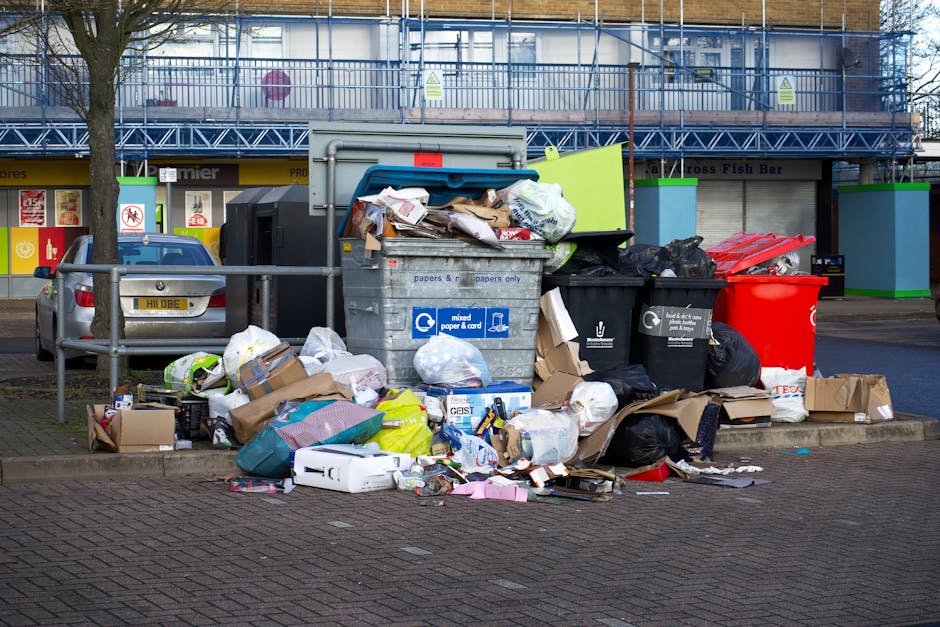
N5 rubbish removal guide for Highbury Park residents
If you live in Highbury Park and the rubbish is starting to creep into corners, pile up in a hallway, or take over the shed, you are not alone. This N5 rubbish removal guide for Highbury Park residents is here to make the whole process feel less confusing and a lot more manageable. Whether you are clearing out after a renovation, dealing with garden waste, or simply trying to get rid of bulky items without a faff, the right approach saves time, stress, and usually a fair bit of money too.
Rubbish removal sounds simple until you are standing there with bags, broken furniture, an old mattress, and a driveway that is not exactly skip-friendly. Then the questions start. Do you need a skip? Would a man and van service be easier? What can go in the load, and what needs separate handling? Let's break it down properly, in plain English, with local realities in mind.
By the end, you will know which waste removal method fits different jobs, what to avoid, how to stay on the right side of UK waste rules, and when it makes sense to book a service rather than wrestle with the mess yourself.
Table of Contents
- Why rubbish removal matters in Highbury Park
- How rubbish removal works
- Key benefits and practical advantages
- Who this is for and when it makes sense
- Step-by-step guidance
- Expert tips for better results
- Common mistakes to avoid
- Tools, resources and recommendations
- Law, compliance, standards and best practice
- Options, methods, and comparison table
- Case study or real-world example
- Practical checklist
- Conclusion
- Frequently asked questions
Why N5 rubbish removal guide for Highbury Park residents Matters
Highbury Park has that classic inner-London mix: terraced homes, flats, shared access routes, compact front spaces, and the occasional awkward stairwell that seems designed to test everyone's patience. All of that makes waste disposal a little more involved than simply dragging everything to the kerb and hoping for the best.
Good rubbish removal matters because waste has a habit of causing knock-on problems. A small pile becomes an obstruction. A half-filled hallway becomes a fire safety issue. A DIY clear-out gets delayed because no one wants to make six trips to a disposal site in the rain. And if you leave it too long, you end up with a mess that feels bigger than it really is. Truth be told, that is usually how these things go.
There is also a practical side. The wrong disposal choice can mean avoidable costs, missed collection dates, blocked access, or items being refused because they were not sorted correctly. In a busy postcode like N5, where parking and access can already be tight, the most sensible rubbish removal plan is the one that fits the property, the waste type, and your schedule.
One more thing: responsible rubbish removal is not just about getting rid of stuff. It is about handling waste properly, recycling where possible, and making sure anything hazardous or restricted is dealt with safely. That matters whether you are clearing a flat, emptying a garage, or tidying after builders have been in.
How N5 rubbish removal guide for Highbury Park residents Works
Most rubbish removal jobs in Highbury Park fall into one of three patterns. You either need a full skip, a load-and-go collection, or a more specialist waste service for heavier or unusual items. The best choice depends on how much waste you have, how quickly it needs moving, and whether you can store a container outside your property.
A typical rubbish removal process looks something like this:
- Assess the waste. Sort the items by type: mixed household rubbish, green waste, bulky furniture, building debris, electricals, or anything potentially hazardous.
- Choose the method. Decide whether a skip, man and van collection, grab hire, or another service suits the job.
- Check access. Think about parking, narrow streets, front gardens, and whether a permit may be needed for a skip placed on the road.
- Book the collection. Pick a time that gives you enough breathing room to sort things properly. Rushing rarely helps.
- Load safely. Keep heavier items manageable and place anything restricted or unsafe to one side for separate advice.
- Arrange disposal. A reputable provider should take the waste to a licensed facility and aim to recycle as much as practical.
If you are dealing with a one-off clear-out, services like rubbish removal or man and van can be a neat fit because they remove the lifting problem as well as the transport problem. For renovation jobs, it may make more sense to look at builders waste removal or builders skip hire instead.
The important bit is matching the service to the job. That sounds obvious, but it is where a lot of people trip up.
Key Benefits and Practical Advantages
For Highbury Park residents, the main benefit of organised rubbish removal is simplicity. You get space back quickly, and you do not have to keep looking at the same pile of junk every time you walk past it. Small relief, big difference.
Here are the advantages that matter most in real life:
- Less disruption. A proper collection can clear a room, garden, or driveway in one go instead of spreading the job over a week of half-finished trips.
- Safer handling. Bulky waste, sharp edges, broken shelving, and heavy bags are easier to manage when someone knows what they are doing.
- Better access management. In busy residential streets, timing and loading matter. A planned collection reduces awkward back-and-forth and keeps things moving.
- Recycling opportunities. Good waste operators separate recyclable material where possible, which is better for the environment and often more efficient too.
- Cleaner property presentation. That matters if you are selling, renting, or just trying to enjoy the place without tripping over an old sofa.
- Less wasted effort. Not every job should become a DIY marathon. Sometimes paying for speed and convenience is the sensible call.
There is also a mental benefit, which people underestimate. A cleared space changes the mood of a home. You notice it in the light, the flow, even the sound. A room without clutter feels calmer. Simple as that.
If you are unsure whether your waste is a one-off or part of a larger project, browsing options such as house clearance, garage and loft clearance, or garden waste removal can help you compare what fits best.
Who This Is For and When It Makes Sense
This guide is useful for more people than you might expect. You do not need a full renovation on the go to need rubbish removal. In fact, many calls come from ordinary life moments: a sofa that will not fit through the door, a loft clear-out that has turned into a small archaeology project, or a garden that has become a landing zone for old plant pots and broken fence panels.
It usually makes sense if you are:
- clearing out a flat, house, loft, cellar, or garage
- disposing of bulky items like wardrobes, mattresses, or appliances
- removing waste after DIY or building work
- tidying a rental property between tenancies
- sorting garden cuttings, soil, or broken outdoor materials
- moving office contents or confidential materials
- handling mixed waste that is too much for normal bin collections
It also makes sense when time is tight. If you need something gone before guests arrive, before a sale viewing, or before the builder returns on Monday morning, convenience becomes the deciding factor. Nobody enjoys a last-minute scramble with bags in the hallway. Been there, regretted that.
And to be fair, some waste is simply awkward. A mattress, a fridge, or a stack of old plasterboard is not the kind of thing you casually toss in the car and forget about.
Step-by-Step Guidance
If you want the process to go smoothly, do it in stages. Small decisions upfront save a lot of hassle later.
1. Identify what you are getting rid of
Start by grouping the waste. Keep household rubbish separate from green waste, old furniture, electricals, and building debris. If you mix everything without thinking, you make sorting harder and may increase disposal costs.
2. Estimate the volume
You do not need a perfect measurement. Just ask yourself: is this a few bags, the contents of one room, or a full clear-out? Volume helps determine whether you need a skip, a single collection, or a larger service.
3. Think about access
Access is a big one in N5. Can a vehicle stop nearby? Is there room for loading? Is the waste on the first floor, in the garden, or behind a side gate? A job that looks small indoors can become more complicated once stairs, parking, and neighbours are involved.
4. Check for restricted items
Some waste needs special handling. This can include fridges, paint, chemicals, fluorescent tubes, gas bottles, and certain electrical items. If you are not sure, ask before collection. It is better to check twice than to have a problem on the day.
5. Compare collection methods
Choose the method that suits your setup, not just the cheapest headline price. A skip can work well for longer jobs. A man and van can be ideal when you want lifting help and quick removal. Grab hire is useful for bulkier waste where access allows. More on that below.
6. Prepare the waste safely
Break down flat-pack furniture, remove loose contents from drawers, and keep sharp or awkward items together. If you are handling dusty or dirty waste, gloves and sturdy shoes help. Nothing glamorous about it, but very sensible.
7. Confirm what happens next
Ask how the waste will be disposed of and whether the provider uses licensed facilities. If recycling matters to you, ask how much of the material can be recovered or separated. A good provider should explain this without sounding cagey.
Practical rule of thumb: if the job needs lifting, sorting, and transport all at once, paying for a properly organised service is usually easier than trying to piece it together yourself.
Expert Tips for Better Results
Here are a few things that make a genuine difference, especially in a residential area like Highbury Park where space is often limited and timings matter.
- Book earlier than you think you need to. Rubbish tends to multiply the moment you start moving things around. A little buffer helps.
- Keep reusable items separate. If anything is in decent condition, set it aside before the main collection. You may be able to donate, sell, or reuse it rather than bin it.
- Use labels or piles. Even simple notes like "garden," "electrical," and "furniture" can make collection day far smoother.
- Plan around neighbours. Early morning noise, blocked pathways, and shared entrances can become friction points. A bit of consideration goes a long way.
- Choose the right service for the material. Garden waste, builders waste, and household junk are not always best handled in the same way.
- Ask about recycling upfront. If sustainability matters to you, it is worth knowing how a provider approaches sorting and recycling.
A small but useful habit: keep one area clear as a staging spot. Even a corner of the hallway or a patch in the garden helps. When everything is piled together, people waste time deciding where to put each item. When there is a system, the job moves faster. Funny how that works.
If you are dealing with a bigger declutter, it can also help to look at garage and loft clearance or house clearance services, especially if the clutter has been building up for years and not months.
Common Mistakes to Avoid
Most rubbish removal problems are avoidable. They usually come from rushing, guessing, or assuming all waste is treated the same. It is rarely dramatic, but it can become expensive or inconvenient quickly.
- Underestimating the amount of waste. A job that looks small in a corner can turn into a much larger load once sorted properly.
- Ignoring access issues. Narrow entrances, parking restrictions, and staircases can all affect the best collection method.
- Mixing restricted items with general waste. Some items need separate handling and should not be buried in a general load.
- Leaving everything until the last minute. This usually leads to poor sorting and higher stress on collection day.
- Choosing based only on price. Cheap is not always cheap if it leads to delays, extra handling, or a service that does not suit the job.
- Forgetting what is reusable or recyclable. Once it is mixed into a general pile, those choices become harder.
One of the most common problems is assuming that any waste service can take anything. Not quite. Materials such as hazardous waste, certain appliances, and specialist construction debris may need different treatment. If you are unsure, ask before you book. It saves awkward conversations later, and awkward is a bit tedious for everyone.
Tools, Resources and Recommendations
You do not need much equipment to get started, but a few basic tools make things safer and easier. For many households, that is the difference between a quick tidy and a messy all-day ordeal.
- Heavy-duty bags or rubble sacks for mixed light waste and garden material
- Work gloves for handling rough, dusty, or sharp items
- Mask and protective eyewear if you are dealing with dusty lofts, insulation, or old plaster
- Dolly trolley or sack truck for heavier furniture or appliances
- Basic labels or tape to mark different waste piles
- Measuring tape if you are checking whether furniture or large waste items will fit through doors or gates
From a service perspective, it helps to compare the type of job with the service designed for it. For example, skip hire may suit longer or ongoing work, while grab hire services can be handy for heavier loads if the site access allows. If the job is quick and you want waste gone fast, wait and load skip hire can be a very practical option because it removes the need to keep a skip on site for long.
If you are dealing with specific items, specialist pages can help narrow things down. For example, fridge and appliance removal, mattress and sofa disposal, and hazardous waste disposal all point to situations where regular rubbish removal may not be enough on its own.
Law, Compliance, Standards and Best Practice
Waste disposal in the UK has a legal side, and it is worth treating that seriously. You do not need to become a waste-law expert, but you should understand the basics. In simple terms, waste should be handled by a responsible provider, and it should end up at appropriate, licensed facilities. Fly-tipping, careless dumping, and handing waste to an untraceable operator are all problems best avoided.
If you are using a third party, it is sensible to check they are properly insured and that their waste handling is legitimate. That is not being fussy. That is basic due diligence. If something goes wrong, you want a provider who takes the work seriously and follows proper procedures.
For skip-based jobs, permits may be relevant if the skip is placed on a public highway rather than private land. In that case, skip permits or skip hire permits may apply depending on the arrangement. The details can vary by location and setup, so confirm before booking rather than guessing. It is much better to sort this upfront than to discover a placement issue halfway through.
Best practice also includes separating waste correctly, not overfilling containers, and avoiding prohibited items unless the service has explicitly agreed to take them. If you are unsure about a material, ask. A good provider should be able to explain what is allowed and what needs a different route.
On the sustainability side, most residents now expect some level of recycling and recovery where practical. That expectation is fair. A thoughtful rubbish removal service should not treat everything as one big mixed load if recyclable separation is possible.
Options, Methods, and Comparison Table
The right rubbish removal method depends on access, volume, timing, and what you are actually throwing away. There is no one-size-fits-all answer, annoying as that may be. Here is a simple comparison to make the choice easier.
| Method | Best for | Main advantage | Possible drawback |
|---|---|---|---|
| Skip hire | Medium to large jobs, DIY, renovation waste | Good capacity and flexible loading | May require space or a permit |
| Man and van | Bulky household items, quick clear-outs | Lifting help and fast removal | Less ideal for ongoing waste buildup |
| Grab hire | Large loose waste, heavier material, site access permitting | Can remove substantial volumes efficiently | Needs suitable access and space |
| Wait and load | Fast, short-duration clearances | No long-term container on site | You need to be ready when the vehicle arrives |
| Specialist removal | Appliances, mattresses, hazardous items, office waste | Tailored handling for specific materials | Not a catch-all solution |
If your rubbish is mostly household clutter, domestic skip hire can be a sensible route. If you are dealing with mixed waste from a worksite or a bigger build, then construction waste disposal or site clearance may be more suitable.
For smaller, faster jobs, same-day skip hire can be useful when time is tight. That said, speed is only helpful if the access, load type, and disposal plan all line up. Otherwise you end up paying for urgency without solving the real problem.
Case Study or Real-World Example
Imagine a Highbury Park resident clearing out a one-bedroom flat after a long-overdue declutter. There is a broken chest of drawers, a rolled-up carpet, two bags of mixed household waste, an old lamp, a mattress, and a handful of items from the hallway cupboard that nobody has used in years. Not a huge job, but awkward enough.
At first glance, the temptation is to make multiple trips in a car. But once you factor in parking, loading time, lifting the mattress, and the fact that the waste is mixed, that plan starts looking less appealing. Instead, the resident compares options and decides that a short, organised collection is the cleaner solution. The furniture is separated, the bulky items are grouped, and the collection is booked for a time when the flat is quiet and access is clear.
Result? The space is cleared in one visit, the items are handled properly, and the resident does not spend the whole weekend wrestling with awkward waste bags. Small win, but a proper one.
That sort of scenario is common in N5. People do not usually need dramatic intervention. They need an efficient plan and a provider that understands the reality of residential access, mixed waste, and the odd surprise item hiding in the back of a cupboard.
Practical Checklist
Use this before booking rubbish removal in Highbury Park:
- Identify the waste type: household, garden, builders, bulky items, electricals, or mixed loads
- Estimate how much there is, even roughly
- Check access, parking, stairs, and distance from the waste to the vehicle
- Separate anything reusable or recyclable
- Set aside restricted items for specialist advice
- Choose the right service method: skip, man and van, grab hire, or wait and load
- Ask whether permits are needed if a skip may be placed on the road
- Confirm collection timing and how long the job will take
- Check that disposal will be handled through appropriate, licensed routes
- Prepare gloves, tape, bags, and any equipment needed to move items safely
A quick checklist like this can save you from the classic last-minute scramble where half the job is done and nobody can find the bin bags. Not ideal. Not even close.
Conclusion
Rubbish removal in Highbury Park does not need to be complicated, but it does need a bit of thought. Once you understand the size of the load, the access challenges, and the type of waste involved, the right option usually becomes much clearer. For some homes, a skip is the most practical choice. For others, a man and van collection or specialist item removal makes far more sense. The goal is not just to get rid of waste. It is to do it safely, efficiently, and without creating another job for yourself later.
If you take one thing from this guide, let it be this: plan the waste before the waste plans you. A small bit of preparation saves time, reduces stress, and keeps the whole process feeling far less chaotic.
Get a free quote today and see how much you can save.
Frequently Asked Questions
What is the easiest way to remove rubbish in Highbury Park?
The easiest method depends on the amount and type of waste. For bulky items or mixed household clutter, a man and van or short-term collection is often simplest. For larger jobs, skip hire may be better.
Do I need a skip permit in N5?
You may need a permit if the skip is placed on a public road rather than private land. The need for a permit depends on the exact placement, so it is worth checking before you book.
How do I know whether I need skip hire or rubbish removal?
If you have waste building up over several days or weeks, a skip can be handy. If you want items collected and lifted away quickly, rubbish removal with labour included is often more convenient.
Can I put garden waste in a rubbish removal load?
Usually yes, but it is often better to keep garden waste separate if possible. Mixing it with general waste can affect sorting and may reduce recycling opportunities.
What items cannot usually go with normal rubbish removal?
Items such as certain chemicals, paint, gas bottles, some electrical waste, and other hazardous materials may need specialist handling. Always check before adding them to the load.
Is same-day rubbish removal available in Highbury Park?
Sometimes it is, depending on workload, access, and the size of the job. Same-day service is useful when you need fast turnaround, but it is best to confirm availability early.
How much rubbish can a man and van collect?
That depends on the vehicle size and the type of waste. It is a good option for bulky items and moderate clear-outs, but very large jobs may be better suited to a skip or grab hire.
What should I do with a mattress or old sofa?
Mattresses and sofas are best handled through specialist bulky waste removal. They are awkward, heavy, and not always suitable for standard disposal methods.
Can rubbish removal help after builders have finished?
Yes. After renovations or repairs, rubbish removal can clear timber offcuts, packaging, rubble, and mixed building waste. For heavier projects, builders waste removal is often the better fit.
How can I make rubbish removal cheaper?
Sort waste in advance, separate recyclable items, avoid mixing restricted materials with general rubbish, and choose the right service for the job. Clear access also helps keep the process efficient.
Is it better to use a skip or wait-and-load service?
If you have space for a skip and need time to fill it, skip hire can work well. If space is tight or you want the waste gone quickly, wait-and-load can be more convenient.
What happens to the waste after collection?
Responsible providers typically take waste to licensed disposal or recycling facilities. Where possible, items are sorted so recyclable materials can be recovered rather than sent straight to landfill.
Can I book rubbish removal for a flat with limited access?
Yes, although access matters. Narrow stairwells, parking restrictions, and shared entrances should be mentioned early so the provider can recommend the right approach.
In the end, the best rubbish removal plan is the one that fits your home, your timetable, and your peace of mind. Keep it simple, keep it safe, and do not be shy about asking questions. That little bit of care tends to make the whole thing run smoother, and life is easier for it.